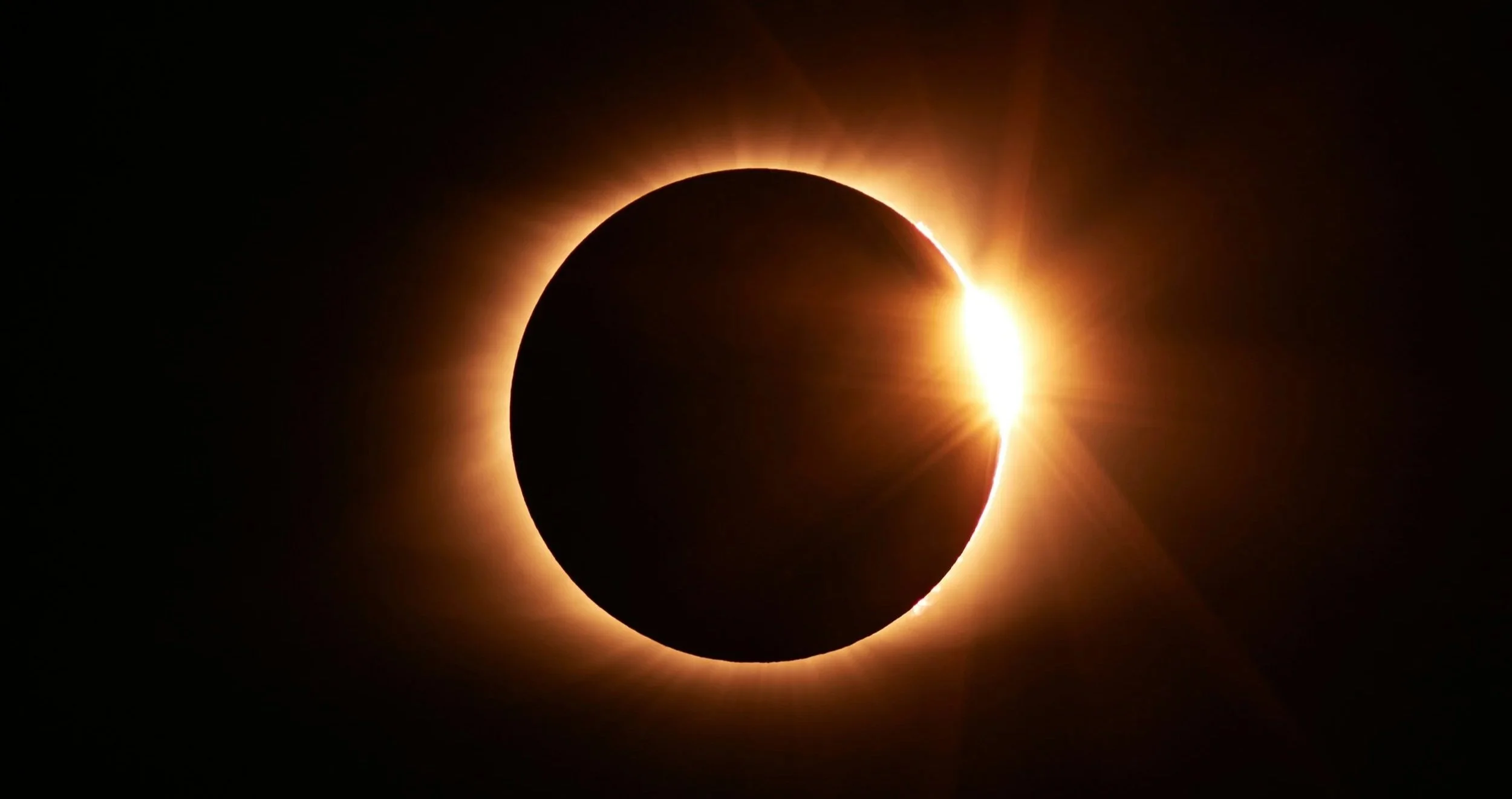
I started writing this from 30,000 feet, headed on a big trip with my husband and our 17-year-old daughter to see the full solar eclipse in Northern Spain earlier this month.
It was a trip we had been planning for nearly two years, and despite some complications in the weeks leading up to it, we were excited to be on our way.
About six weeks before we left, my husband injured his foot. We’re still not entirely sure how. But after weeks of rest, ice, ibuprofen, an X-ray, an MRI, and even a trip to the ER, he was not getting better. For much of that time, he barely left the bedroom while I brought him meals and took care of most things around the house.
As the trip got closer, we had to confront the obvious question: were we still going?
Lots of people travel with injuries or mobility challenges, so the idea itself didn’t feel impossible. But we had planned a trip involving multiple cities, trains, airports, hotels, cobblestone streets, and quite a lot of walking. In the space of about a week, we had to rethink the trip we had spent two years planning.
We came up with a few options for itineraries. One kept the original plan, but adapted it around my husband’s mobility. Another simplified the trip considerably if that proved too difficult. And because of smoke from the fires in Europe, we also had a backup plan that would have sent us somewhere else entirely. By the time we left, we had stopped thinking in terms of one fixed plan and started thinking about what we would do under different conditions.
We also knew how fortunate we were to be able to ask these questions at all. And while mobility is not a completely foreign issue in our family, this was the first time we had ever had to organize a big undertaking around it so directly.
My husband boarded the plane with a fiberglass splint, a pair of portable crutches, and a motorized wheelchair. My daughter and I carried the cushion for the wheelchair, the battery, and the charger, plus all of our other baggage since he could not. This was definitely not how any of us had imagined the trip.
But somewhere in all the scrambling, something became clear to me: the destination hadn’t changed. The conditions had.
We still wanted to go to Spain. We still wanted this time together as a family. And, especially, we still wanted to see the eclipse. What had changed was almost everything about how we were going to get there and how we would move through the trip once we arrived.
Suddenly, we were paying attention to things that had barely registered in our original planning. How far was the hotel from the train station? Could the wheelchair fit in the elevator? How much walking did a reviewer mean when they wrote “just a short walk”? How quickly could we fold the 100 pound chair and get it (and ourselves) into a taxi on a busy European street?
We had planned in enormous detail, but our new circumstances forced us to examine the assumptions underneath the plan.
Enrollment plans are built on assumptions, too. We establish enrollment goals, identify the markets we expect to draw from, build recruitment calendars, choose events, develop messages, and make decisions about where to invest time and money. Most of those choices are based, consciously or not, on our understanding of the landscape around us.
And then the landscape changes.
Enrollment leaders are seeing these shifts all the time. The number of young children in a community changes. A competitor adds a new program or changes its pricing. A reliable feeder school becomes less reliable. Inquiry volume may look fine while applications or yield quietly weaken.
When something like that happens, schools can be quick to reach for a solution. Maybe we need to market more aggressively, add another event, increase the advertising budget, or change the program. But activity is not the same thing as strategy. Before deciding what to do more of, or differently, it is worth understanding what has actually changed.
Sometimes the enrollment goal really does need to shift because the market no longer supports what it once did. Other times, the goal is still reasonable, but the assumptions underneath the strategy need another look.
Where are your families coming from now? Where are families falling out of your enrollment funnel? Those questions can reveal where a strategy that once made perfect sense has stopped fitting the conditions around it.
So how do you get a clearer picture of the landscape you're operating in? Start with the evidence you already have. Look at your funnel data. Listen to your current families and the families who chose not to enroll. Pay attention to what is changing in your market. The goal is not more data for its own sake. It is better information for better decisions.
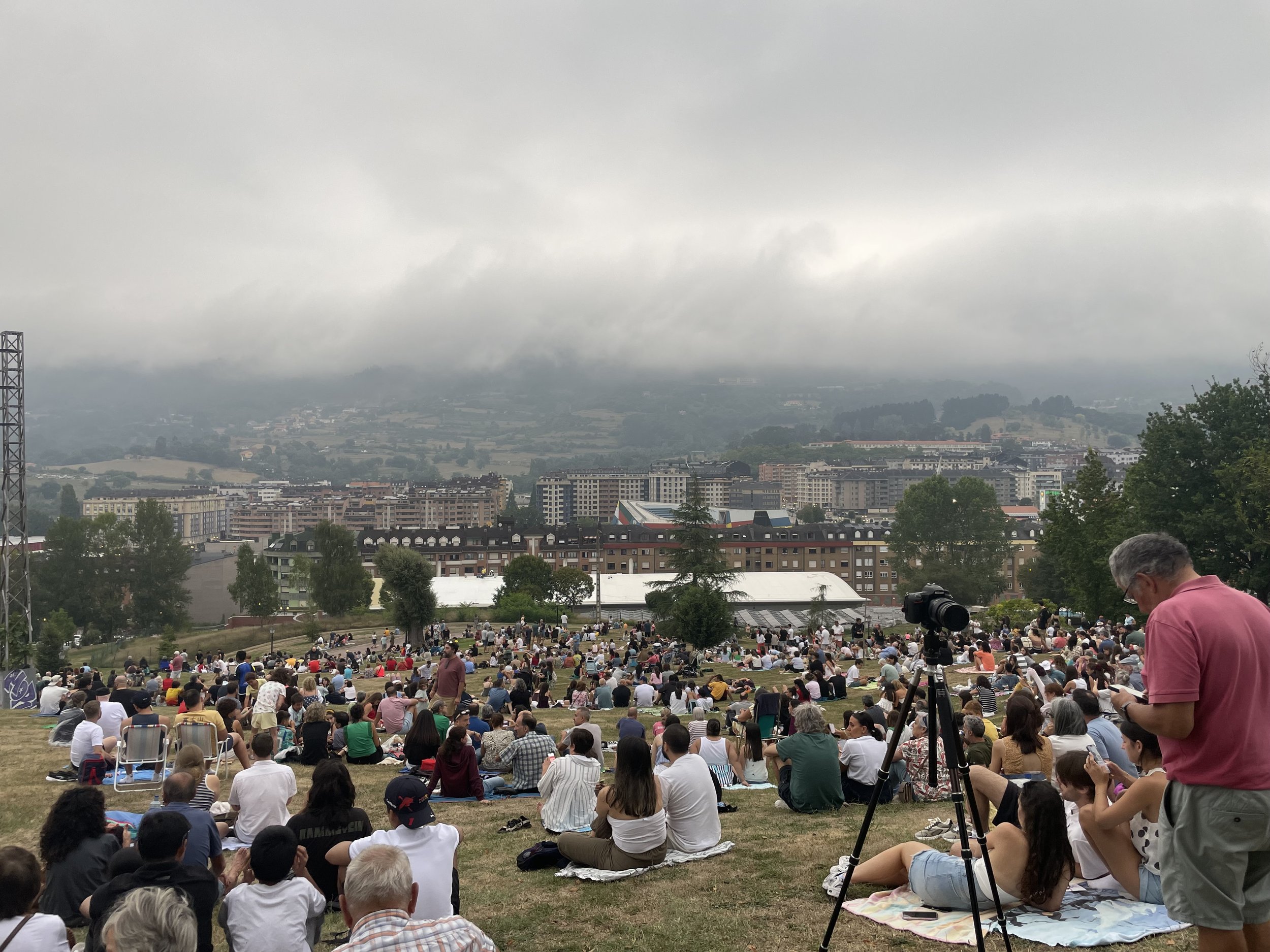
I started this post on the flight to Europe. Now that we’re home, I know how the story ends: after all that planning and adapting, we didn’t actually see the eclipse. It was cloudy. We saw the sky grow dark, felt the strange drop in temperature, and stood with hundreds of other people looking upward. But the clouds never moved enough for us to see the thing we had traveled all that way to see.
Of course, no amount of planning could control the weather. Enrollment strategy can’t control every outcome either. What good planning can do is help you make better decisions about the things that are within your control.
In the end, we had to stop planning for the trip we thought we were going to have and start making decisions based on the one we actually had in front of us.
As a new school year begins, I think that’s the question worth asking: Are we making decisions based on the enrollment landscape we actually have, or the one we wish were true?
