Before You Blame the Enrollment Cliff

Before You Blame the Enrollment Cliff

“The enrollment cliff” has become shorthand for a lot of things. There are fewer children. Birth rates are declining. Families are moving. Tuition keeps rising. Competition is changing. We know that all of those are real forces shaping independent school enrollment. However, I think there is some danger in letting “the market” become the explanation for every enrollment challenge.

Saying the market is shrinking is very different from knowing that the market is the reason your school’s enrollment is shrinking.

The numbers tell you what happened

Imagine that applications to sixth grade are down 15%. That’s useful information. But it doesn’t tell you why.

There may be fewer sixth graders in your market. There may be just as many children, but fewer families who can afford your tuition. Your competitors may have changed their programs or positioning. Families may not understand what distinguishes your middle school. Or inquiries may be perfectly healthy, but fewer families are ultimately applying.

And, of course, last year may simply have been unusually strong.

The application number is a signal. It isn’t yet a diagnosis.

The Destination Hasn't Changed

The Destination Hasn't Changed

I started writing this from 30,000 feet, headed on a big trip with my husband and our 17-year-old daughter to see the full solar eclipse in Northern Spain earlier this month. It was a trip we had been planning for nearly two years, and despite some complications in the weeks leading up to it, we were excited to be on our way.

About six weeks before we left, my husband injured his foot. We’re still not entirely sure how. But after weeks of rest, ice, ibuprofen, an X-ray, an MRI, and even a trip to the ER, he was not getting better. For much of that time, he barely left the bedroom while I brought him meals and took care of most things around the house.

As the trip got closer, we had to confront the obvious question: were we still going?

Late-Cycle Admissions Requires a Different Kind of Strategy

Late-Cycle Admissions Requires a Different Kind of Strategy

By this point in the cycle, most schools are hoping to be done. The hard work of fall recruitment is behind them, decisions have gone out, and the calendar is finally starting to feel manageable again.

But if seats are still open, the dynamics that exist all year start to carry more weight. Events are never fully predictable. Families RSVP and do not always show. Communication plans always need adjustment. Late in the cycle, though, those patterns can create more anxiety and lead teams to overcorrect. That's usually not what the moment calls for.

More activity is not the same as more traction.

When enrollment goals are unmet, the instinct is to add: another event, another email sequence, another social push, another direct mail campaign. Sometimes those things help, but more often, they create noise without addressing what's actually stalling progress.

Shifting Perspective: Treating Yield as a Mirror, Not Just a Metric

Shifting Perspective: Treating Yield as a Mirror, Not Just a Metric

Families haven't stopped valuing independent education, but their decision-making process has changed.

Across markets, I'm seeing parents approach enrollment with a deeper analytical lens. They want clarity about outcomes. They want to understand community culture. They're weighing tuition against broader financial realities. What used to feel like a relatively straightforward yes-or-no moment now unfolds more gradually, which can make yield feel unpredictable even when interest remains strong.

In practice, this means that yield season is as much a learning opportunity as it is a numbers game. 

How families move through this period, including what they ask, what slows them down, and where they hesitate, all tell you something real about how your school is being experienced from the outside.

The Quiet Risk: When Families Leave Without Ever Raising a Concern

The Quiet Risk: When Families Leave Without Ever Raising a Concern

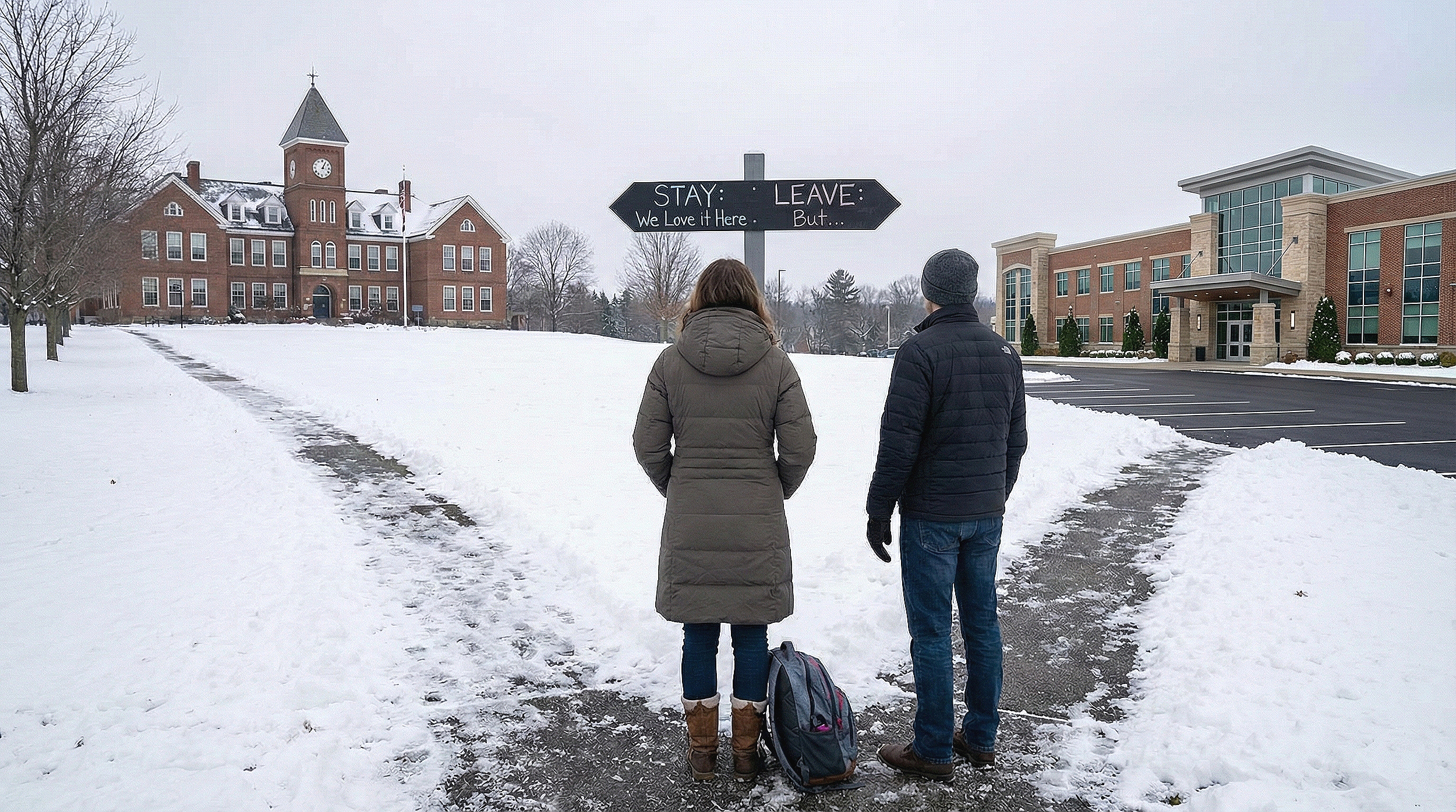
Part 3 of 3 of the What “We Love it Here, But...” Actually Means Files

The hardest “but” to catch isn’t about tuition or trajectory. It’s about belonging.

These are families who like the school. Their child is doing fine. There’s no complaint to address, just a subtle sense of distance. The child feels slightly peripheral. The parents feel less connected than they once did.

Over time, families like this shift from being partners to being consumers, and consumers leave more easily. What makes this especially tricky is that nothing looks broken.

“Is This Still Enough?” The Momentum Question

“Is This Still Enough?” The Momentum Question

Part 2 of 3 of the What “We Love it Here, But...” Actually Means Files

Sometimes the "but" sounds like: "We love it here, but is it enough for Middle School?"

This gap occurs when a school is doing a fine job, but the parents have lost sight of the long-term vision. It is especially common in transition years like 5th or 8th grade. Families love the teacher and the playground, but they are starting to question if the environment that was perfect for a first-grader offers the intellectual depth required for a middle- or high-schooler.

What “We Love it Here, But...” Actually Means

What “We Love it Here, But...” Actually Means

Part 1 of 3

By mid-January, the initial magic of a new school year has settled into a predictable routine, and the daily logistics of school life can start to feel like a heavy lift.

Families are weighing carpool fatigue, calendar overload, sibling needs, work pressure, and the emotional energy it takes to stay engaged. And they’re asking a question they may never say out loud:

“Does this still make sense for our family?”, or more specifically, "Is the reality of our daily experience matching our significant investment?"

So when a parent says, "We love it here, but..." it’s rarely a sign of failure. It’s signaling a gap, a place where the school’s promise and the family’s lived experience have drifted apart. And usually, that gap falls into one of three categories: the math, the momentum, or the social fabric.

Using Data to Make Tuition Assistance a Strategic Advantage

Using Data to Make Tuition Assistance a Strategic Advantage

We are long overdue for some fresh thinking about tuition assistance. The affordability challenge is not new, but the way many schools approach it has not changed in years. The old playbook is no longer keeping pace with today’s market. If we are willing to step outside the traditional box and look at tuition assistance through a more strategic, data-driven lens, we can make decisions that stabilize enrollment and strengthen our schools for the long haul.

Your Most Powerful Retention Tool: Rethinking Conferences

Your Most Powerful Retention Tool: Rethinking Conferences

In independent schools, we spend a great deal of time and resources crafting the perfect admissions journey. But what about the journey that comes next? The unfortunate truth is, once the enrollment contract is signed, opportunities to demonstrate your school’s deep value to current parents become surprisingly few and far between.

This is precisely why student-teacher or parent-teacher conferences should be viewed as not merely an administrative requirement, but the ultimate, face-to-face retention event

It’s Go Time: Making the Most of Late Summer in Admissions

It’s Go Time: Making the Most of Late Summer in Admissions

With the new school year around the corner, the clock is ticking, but there’s still time to make a meaningful impression on prospective families who are already searching. Campus might be a little quieter, but this isn’t the moment to hit pause. For proactive schools, end-of-summer is a golden window to spark interest, plant seeds, and pull back the curtain on what makes your community special.

How to Boost Yield: Turning Admitted Students into Enrolled Students

As admission decisions land in inboxes, schools are shifting focus from attracting applicants to securing new student enrollment. It’s an exciting yet anxious time, with families weighing options, peer schools competing for the same students, and the pressure to meet enrollment goals is real. Yield season isn’t just about waiting for contracts to roll in; it’s about actively engaging admitted families to reinforce their decision to say yes..

The good news? Yield isn’t just about waiting! It’s also about engagement. The way a school nurtures relationships in these critical weeks can make all the difference. Here are two simple yet highly effective strategies to help admitted families feel confident in their decision to say yes to your school.

Personalized Outreach

While yield events and revisit days play a role, personal connections are what truly influence a family’s final choice. Instead of relying on automated emails, take the time for individualized outreach that reinforces the student’s value to the school community. You’ve been doing this all season, to some extent. Don’t stop now!

  • A quick, heartfelt phone call call from the head of school, division leader, or beloved teacher can reassure families and answer lingering questions. Instead of a scripted conversation, focus on authenticity: If you are about to have a Head transition, a call from the NEW Head of School is especially powerful (if this is appropriate in your setting).

    • “I just wanted to say how excited we are about [student's name] joining us next year!”

    • “We see them thriving in [specific program, class, or extracurricular].”

  • A simple, thoughtful message from a future teacher or advisor makes a big impression. If possible, mention a specific strength or interest the student shared in their application.

  • Engaging the student directly: For some schools, parents are the decision makers, but especially as students get older, we know that they have a huge say in the decision. Consider sending a short, personalized video from a teacher, coach, or current student welcoming them and sharing what they’re excited about for next year.

Why is this a good idea, you might ask? Families want to feel confident that their child is not just accepted, but truly wanted and seen. Personal outreach makes their decision feel like a natural next step.

Value-Driven Storytelling: Reinforce the “why”

Parents aren’t just choosing a school, they’re choosing a future for their child, and a community for their family. During yield season, schools should double down on storytelling that reminds families of the unique value they offer.

  • Now is the time to pull out all the stops with testimonials. Share stories from students and alumni about how your school shaped their growth. Whether it’s a senior who landed at a top college, an alum who started a successful business, or a 5th grader who discovered a love for science, stories make your school’s impact tangible.

  • Create an "Envision Your Future Here" campaign, or similar. Through social media, email, or short videos, help families picture the long-term benefits of your school. Answer the question: “What will my child gain here that they wouldn’t elsewhere?”

  • Engage parents through their peers. We know that parents are relying on authentic stories as opposed to our “sales speak”. Consider a brief video or email from a current parent explaining why they chose the school and what they’ve loved most.

Why is this worth the effort? Well, facts and figures may convince parents to apply, but emotional connection and long-term vision seal the deal.

Bonus idea: Celebrate the YES!

Once a family commits, make it feel special! Many schools send basic swag, but adding a personal touch can create an even stronger sense of belonging.

  • Send a book tailored to the student’s interests, signed by a future teacher or advisor

  • Deliver a handwritten note from a current student welcoming them

  • Offer a "Welcome to the Community" call with a student or parent ambassador

Now is the time to lean in. Yield season is a high-touch, relationship-driven process. Every interaction, every story, and every gesture of welcome matters. Schools that prioritize personalized engagement and strategic storytelling will see the results in their enrollment numbers.

I’d love to hear your favorite yield strategies!

Upping the Ante on Re-enrollment

I’m seeing too many schools send a warm tuition notification letter followed by a standard, impersonal contract package a week later. No personalization, no excitement, just a transactional moment that could have been a real connection. I get it. You've got technology constraints, timing challenges, and a massive amount of work, but this moment is too important to let slip by.

Re-enrollment is more than a formality; it’s an opportunity to reinforce your school’s value proposition and remind families why they belong in your community. If knowing every child and family is core to your school’s identity, then your re-enrollment experience should reflect that. And before you say, “But we’ve already sent contracts!”—I’m here to tell you, it’s not too late. 

Simple Ways to Up the Ante on Re-Enrollment

Spotlight What’s Ahead: One school I work with is using their weekly newsletter to build excitement with a “Things to Look Forward to Next Year” feature. Each grade level contributes a quick highlight:

📌 “In 5th grade, look forward to our outdoor education trip to [location] where we’ll see our classroom learning come to life.”

📌 “In 11th grade, look forward to guest speakers on [topic], supporting you as you begin to consider what comes after high school.”

Personalize the Contract Package: Another school is embedding this messaging into their contract cover letter, reinforcing the incredible experiences families are signing up for. (Literally, this is just the email that goes to families with links to the contract and other info).

A Handwritten Touch: A third school is sending handwritten notes to families in the mail—a thoughtful surprise that lands a day or two after the contract goes out.

Celebrate the YES! Don’t stop when the contract is returned.

💡 Use Valentine’s Day as inspiration—send a heart-shaped cookie home with a note: “We love that you’re coming back!”

💡 Make it visible. Hold up a big banner at car line that says, “We ❤️ our Smith School families!”

This moment is more than paperwork, I see it as a chance to affirm, celebrate, and delight the families who choose to stay.

What are your favorite re-enrollment touches? I’d love to hear! Reply and share your ideas. 🎉

A Meaningful Pause

It is easy to slide right from the school year into summer mode - whether that means a continuation of your work, a vacation, or just adjusting to a new schedule. I want to remind you of the power of a meaningful pause. Without this intentional moment, it is too easy to just keep moving and forget to stop, celebrate, reflect, and look forward.

Try this as a sort of guided meditation: Bring to mind the school year that has just passed. See it as a timeline stretching out in front of you. As you walk along this timeline, notice the significant moments and experiences.

Reflect on your accomplishments. See the faces of the students you’ve impacted, the colleagues you’ve collaborated with, and the challenges you’ve overcome. Allow yourself to feel pride and gratitude for your dedication and hard work.

Acknowledge any moments of stress, frustration, or difficulty, and imagine releasing these moments. Release any residual tension or worry, knowing that you have done your best, and knowing that others have done their best, too.

Then, focus on the positive experiences. Remember the joy in students’ faces, the laughter shared with colleagues, and the moments of personal or professional growth. Allow gratitude to fill your heart and radiate through your entire body.

Now look ahead to the summer months. Set an intention for this time. Mine is to stay present as my family embarks on a big adventure. Perhaps for you it’s intentional rest, reading some great books, picking up a hobby, or spending more time outside.

I am grateful for the past year, for the growth and challenges, and I am open to the positive experiences that summer will bring. I wish the same for you.

A Community Atmosphere As a Retention Tool

Photo courtesy of Matthew Soule

In my last blog post, I wrote about integrating a retention mindset. As we approach end-of-year gatherings, I thought I’d reflect a bit on how the Small Boarding School Association has me as a loyal fan (i.e.: “a returning family” and one who refers others!).

I went to my first SBSA conference in 2018. That was an infamous event, where there were bank robbers, a snow storm, people in their PJs at the opening keynote, and so on. I was incredibly impressed by the team at Stuart Hall School in Staunton, Virginia and the SBSA Board. The event was seamless, and I’ve been trying to get back to this conference ever since. Well, 2024 was finally my year!

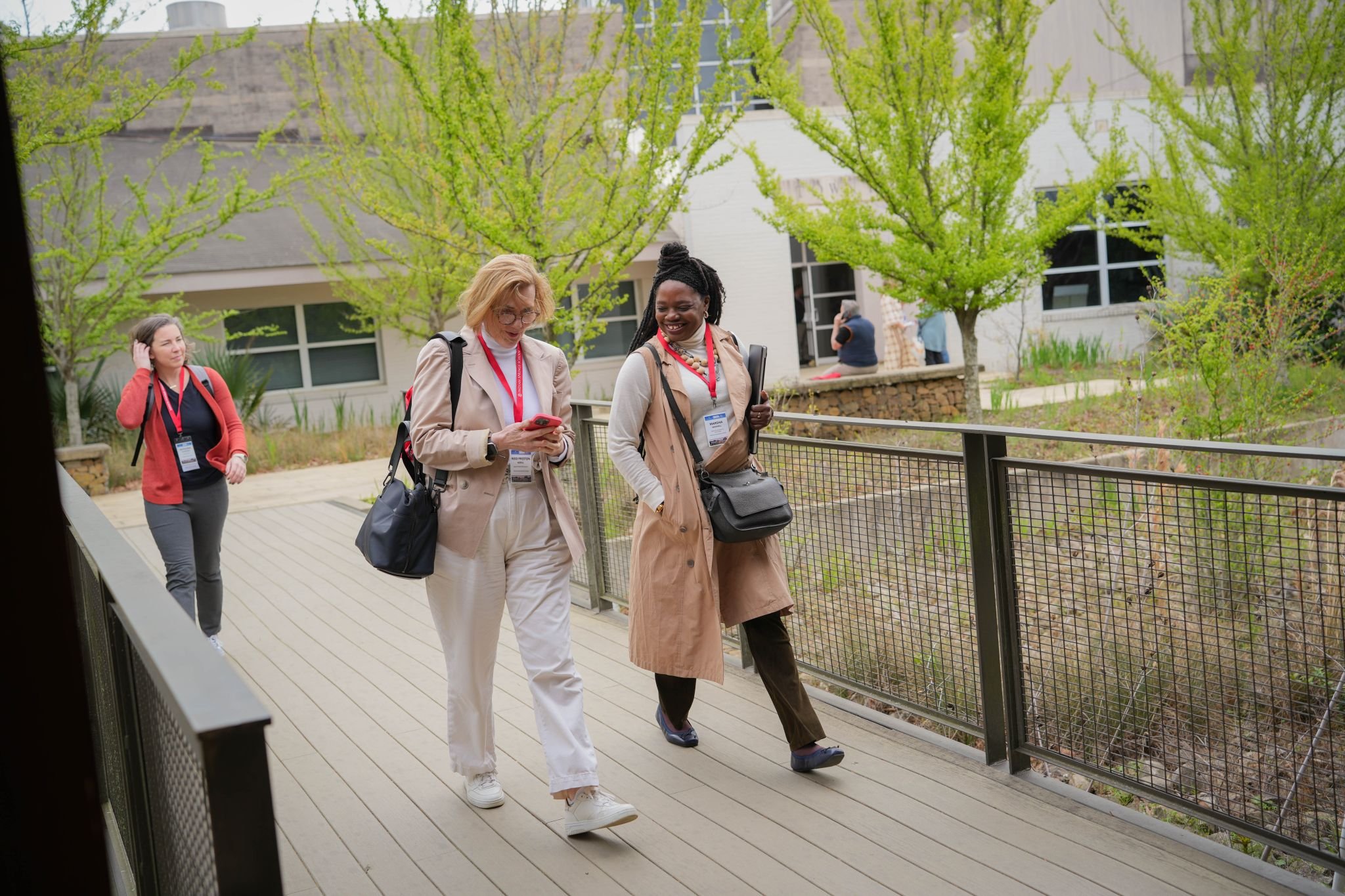
In March, I headed to Birmingham, Alabama and Indian Springs School to present at the conference. A huge shout-out to the conference organizers and our hosts at Indian Springs. The experience prompted me to reflect on the hallmarks of exceptional events, and more broadly, the way we can influence the “user experience” with our schools.

There are so many ways we interact with stakeholders every day. Assembly where parents are invited. Advancement events. Phone calls with current parents when they call the front desk to report an absence. Parent-teacher conferences (the ultimate retention event!). End-of-year celebrations of learning. Awards events, if your school conducts these. Consider how you want community members to feel and work backwards when designing experiences and interactions.

A conference such as SBSA is a concrete, time-bound example of how we want to show up for our communities, but we can use it as a case study. The way I felt at the conference is how we want all people at our schools to feel.

What made the SBSA conference so easeful, professional, and valuable:

1. Clear communication: Pre-conference communication was timely and clear. When I emailed with a question, I got a response seemingly immediately.
2. Focus on attendee needs: Naturally, there were welcoming remarks, acknowledgements, awards, and announcements, but these felt genuine and warm, and helped me feel connected to the event as opposed to a guest at someone else's show.
3. Logistics and comfort: On site, signage was perfect. People were available to direct us when we were confused. Food was plentiful and delicious. Snacks were out and easily accessible.
4. Over-delivering: There were some surprise-and-delight moments. A no-cost coffee truck appeared one day. There were lovely flowers outside every presentation room. 
5. Pacing: I did not feel rushed. There was time between sessions to connect with people as well as find my way to my next thing.
6. Inclusive: People appeared genuinely interested in meeting each other and mixed easily and comfortably among the group. 

The takeaways are clear and actionable immediately:

1. Communicate early and often. Respond promptly.
2. Focus on what really matters to your community as opposed to what matters to you.
3. Creature comfort is impactful in having people feel welcomed and relaxed.
4. Find ways to add some sparkle to your gatherings. At my wedding 20+ years ago, ice cream sandwiches magically appeared in the later part of the evening after many guests had left. People still talk about that!
5. Find the balance between keeping things moving and allowing grace and space in any schedule.
6. Be proactively friendly. Avoid the tendency to stick with who you already know. A sense of belonging is vital if we expect families to return and to recommend our school to others.

As we enter into end-of-year events, these ideas can help guide some of your planning. Again, start with how you want people to feel. These suggestions are not "big boulders" that make a gathering successful. Rather, these are the details that separate good from truly remarkable.

By the way, the conference in 2025 is going to be local to me, and I am already inviting others to it and blocking the time on my calendar. A raving fan, indeed!